Our Design Process
Our rigorous methodology ensures the efficient implementation of every centralized heating system, from concept to completion.
Needs Analysis and Assessment
We receive the request and analyze in detail the building specifications, estimated energy consumption, and efficiency objectives. We conduct a preliminary technical assessment to understand the project scope.
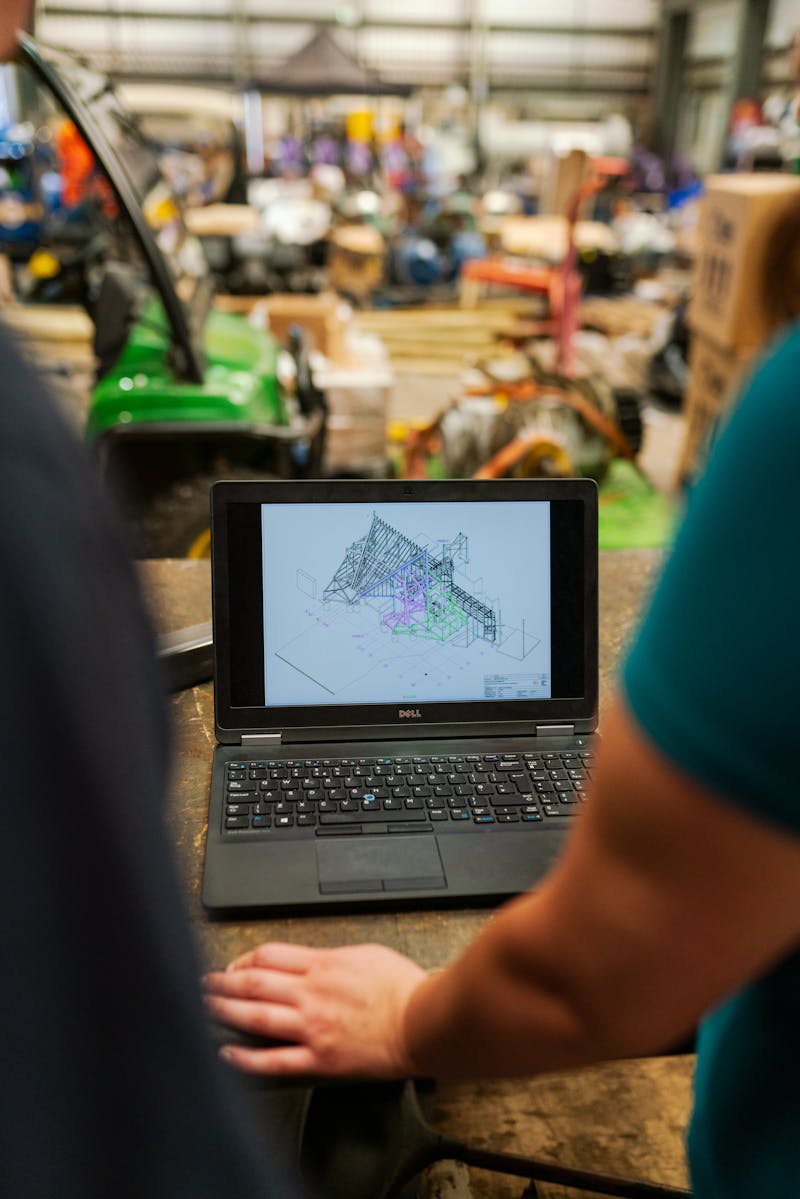
Thermal Modeling and Simulation
We use specialized software to model the system and simulate its energy performance under various conditions. This stage is crucial for optimizing the configuration and selecting equipment.

Development of the Executive Project
We prepare the complete technical documentation: detailed plans, flow diagrams, technical specifications, and the bill of materials. The executive project serves as a precise guide for the implementation phase.

Coordination and Procurement
We coordinate the procurement of components and technical equipment from certified suppliers. We ensure all materials meet quality standards and are delivered according to schedule.

Execution Supervision
Our engineers monitor and guide the installation process directly on-site, ensuring strict adherence to the project and safety standards. We intervene to immediately resolve any discrepancies.

Testing and Final Handover
After installation, the system is fully tested under maximum load. We issue the final acceptance report and provide training to operators, concluding the project with a guarantee of optimal operation.